

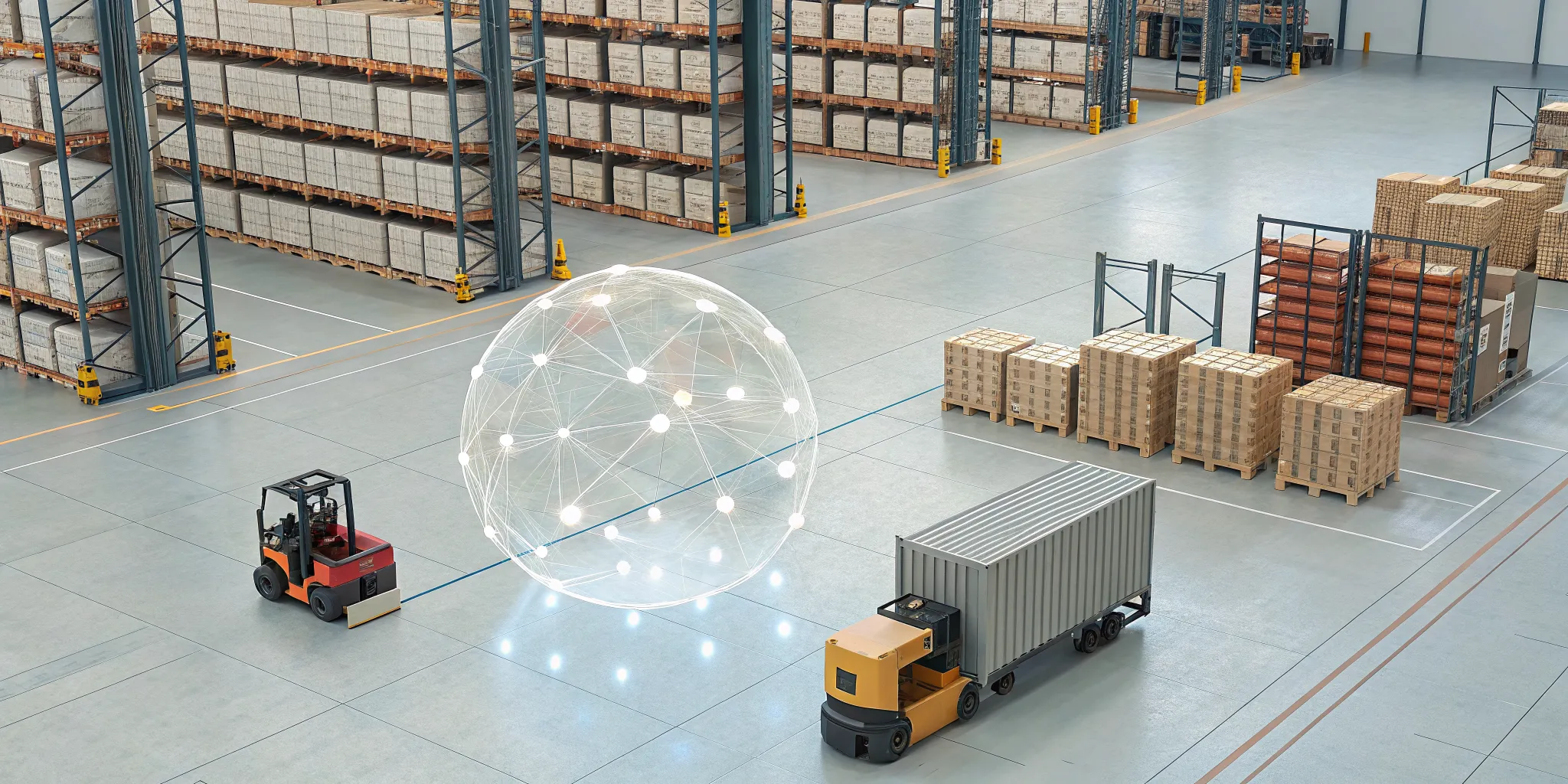
Advanced technology like artificial intelligence and machine learning is no longer just for tech giants. These tools are now accessible and are solving some of the most persistent challenges in the retail industry. One of the most impactful applications is within modern retail supply chain software. This software uses AI to analyze vast amounts of data, helping you predict future customer demand with incredible accuracy. It turns your sales history and market trends into actionable insights, allowing you to optimize inventory and prevent costly stockouts. It’s not about replacing human intuition, but about enhancing it with powerful data to run a smarter, more resilient business.
Key Takeaways
Shift from guesswork to data-driven decisions: Modern supply chain software replaces scattered spreadsheets and manual tracking with a single, real-time view of your entire operation. This clarity helps you avoid costly mistakes like overstocking and stockouts by basing your strategy on accurate information.
Improve efficiency to lower costs and satisfy customers: By automating key tasks like demand forecasting, order processing, and inventory tracking, the right software makes your operations more efficient. This leads directly to lower costs, a better customer experience, and the agility to respond to market changes.
Focus on strategy and partnership, not just features: Choosing the right software is a strategic decision that goes beyond a simple feature comparison. Success depends on finding a platform that solves your specific problems and working with a delivery partner, like Amvent, to implement it effectively and connect your supply chain planning to your overall business goals.
What Is Retail Supply Chain Software?
Think of retail supply chain software as the digital command center for your products. It’s a modern tool that helps you manage the entire journey of an item, from the moment it leaves your supplier to the second it lands in your customer's hands. In the past, this process involved a lot of guesswork, manual tracking, and disconnected spreadsheets. Today, software brings all those moving parts into one cohesive system, giving you a clear view of your entire operation.
At its core, this software uses technology to make your supply chain management more efficient and predictable. It helps you answer critical questions like: Are we about to run out of our best-selling product? Is a shipment from our supplier running late? Which warehouse is closest to the customer for faster shipping? By organizing information and automating decisions, the software helps you move products more intelligently. This not only saves time and money but also creates a much smoother experience for your customers, who get the products they want, when they want them.
How does it work?
So, how does this software actually make a difference in your day-to-day operations? It works by helping you achieve the perfect balance with your inventory. The software analyzes sales data, market trends, and supplier lead times to help you stock just the right amount of product. This means you can optimize inventory levels to avoid tying up cash in overstocked items that aren't selling, while also preventing stockouts that lead to lost sales and unhappy customers. Essentially, it ensures the right products are in the right place at the right time, turning your inventory from a guessing game into a strategic advantage.
The impact of AI, machine learning, and IoT
What makes modern supply chain software so powerful is its use of advanced technologies like Artificial Intelligence (AI), Machine Learning (ML), and the Internet of Things (IoT). These aren't just buzzwords; they are the engines that turn data into smart actions. For example, AI can analyze vast datasets to predict future demand with incredible accuracy. Machine learning algorithms can identify hidden patterns in your sales, helping you understand why certain products sell better in specific regions or seasons.
This technology is a true game changer for retailers. The best tools use AI built specifically for operational jobs, not just general purposes, which delivers more precise and relevant insights. By combining these technologies, supply chain software provides a comprehensive solution that helps you anticipate challenges, adapt to change, and run a more resilient business.
Common Retail Supply Chain Challenges
Even the most buttoned-up retail businesses face supply chain hurdles. From predicting what customers will want next month to making sure your warehouse and storefront are on the same page, the moving parts are complex. When things go wrong, it can lead to wasted money, missed sales, and frustrated customers. Understanding these common pain points is the first step toward solving them. Most issues boil down to a few key areas: getting your forecasts right, seeing your inventory clearly, connecting your data, and embracing the right technology to tie it all together. Let's look at these challenges one by one.
Inaccurate demand forecasting
Guessing what your customers will buy, and when, feels like trying to predict the weather. When you get it wrong, you’re left with two expensive problems: overstocking or stockouts. Overstocking ties up your cash in products that are just sitting on shelves, collecting dust and costing you money in storage. On the flip side, running out of a popular item means you’re leaving money on the table and potentially sending a disappointed customer straight to your competitor. Accurately forecasting demand is notoriously difficult because it’s influenced by fast-changing trends, seasonality, and unexpected market shifts. Without a solid system, you’re essentially making business-critical decisions based on a hunch.
Limited inventory visibility
Do you know exactly how much stock you have and where it is at this very moment? If the answer is no, you’re dealing with limited inventory visibility. This often happens when different parts of your business operate in silos. Your marketing team might launch a huge promotion without realizing the warehouse is low on that exact product. Or, your ecommerce site might show an item as out of stock when there are plenty available in your physical stores. This lack of a single source of truth leads to major inefficiencies, missed sales opportunities, and a clunky experience for customers who expect seamless service whether they’re shopping online or in person.
Disconnected data and systems
Many retailers operate with a patchwork of outdated or separate systems for sales, inventory, and planning. When your software doesn't communicate, you’re left trying to piece together a puzzle with half the pieces missing. Manually pulling reports from different sources is time-consuming and prone to errors, making it impossible to get a clear, real-time view of your business performance. This fragmented approach hinders your ability to make quick, informed decisions. To truly get ahead, you need a connected system that brings all your critical data into one place, which is a core part of our approach to building a more resilient business plan.
Slow adoption of new tools
Let’s be honest, adopting new technology can feel like a huge undertaking. It costs money, takes time, and requires your team to learn new processes. Because of this, many businesses stick with the familiar, even if it’s inefficient. However, holding onto outdated methods while the world changes around you is the bigger risk. Without modern tools, you can’t effectively combat challenges like fluctuating demand or supplier delays. Competitors who do invest in technology will become faster and more efficient, leaving you behind. Viewing new software as an investment in your future, rather than just a cost, is key to building a supply chain that can handle whatever comes its way, as our client successes show.
What Does Retail Supply Chain Software Actually Do?
So, what does this software actually do? Think of it less as a single tool and more as a connected system that acts as the operational backbone for your entire retail business. It handles the complete journey of a product, from its creation to the moment it lands in a customer's hands, and even what happens if it gets returned. It replaces guesswork and scattered spreadsheets with a single, clear view of your operations. Let's break down the key functions.
Forecast demand
Great supply chain management starts with knowing what your customers will want to buy. Instead of relying on last year's sales numbers and a bit of intuition, this software uses data analytics to predict customer demand with much greater accuracy. It analyzes historical data, current market trends, and even seasonal patterns to help you maintain optimal inventory levels. This means you can plan your business strategy more effectively, reducing the risk of frustrating stockouts or tying up cash in products that just won't sell.
Manage suppliers
Your relationship with suppliers is fundamental to your success, and supply chain software helps make that partnership seamless. It streamlines communication by creating a central hub for placing orders, tracking shipments, and evaluating performance. This moves you beyond messy email chains and into a more collaborative workflow. You can easily monitor lead times, track order accuracy, and ensure your suppliers are meeting your standards, which strengthens your relationships and makes your entire supply chain more reliable and efficient.
Process orders and fulfillment
From the moment a customer clicks "buy," the clock starts ticking. Retail supply chain software is designed to accelerate the entire order processing workflow. It automates the journey from the shopping cart to the customer's doorstep by routing orders to the correct warehouse, managing picking and packing, and coordinating with shipping carriers. This optimization ensures you can manage product shipping and delivery efficiently, getting orders out the door faster and keeping your customers happy with timely updates and on-time arrivals.
Track inventory in real time
Have you ever sold an item online that you didn't actually have in stock? Real-time inventory tracking solves that problem. This software provides complete visibility into your inventory levels across all your locations, including warehouses, distribution centers, and physical stores. With a centralized view of stock levels, incoming shipments, and customer demand, you get a single source of truth for your entire inventory. This allows your team to make informed decisions quickly, whether it's reordering a popular product or moving stock to a location where it's selling faster.
Handle returns
The customer journey doesn't always end with a successful delivery. Handling returns, also known as reverse logistics, is a critical part of the retail experience. Good supply chain software simplifies the returns process for both you and your customers. It can automate the creation of return labels, track the status of returned items, and streamline inspections and restocking. By making returns more efficient, you can process refunds or exchanges faster, which helps build customer trust and can even turn a potentially negative experience into a positive one.
The Payoff: Benefits of Supply Chain Software
Adopting new software can feel like a huge undertaking, but the rewards of a modern supply chain system are well worth the effort. This isn't just about adding another tool to your tech stack; it's about fundamentally changing how your business operates for the better. The right software acts as the central nervous system for your retail operations, connecting disparate parts of your business and turning data into decisive action.
From the warehouse floor to your financial planning meetings, the impact is far-reaching. You gain the ability to anticipate customer needs instead of just reacting to them, streamline your day-to-day tasks, and make smarter, data-backed decisions. These improvements lead directly to a stronger bottom line and happier customers. Let’s break down the specific advantages you can expect.
Improve operational efficiency
One of the most immediate benefits you’ll see is a major improvement in operational efficiency. Supply chain software helps you optimize inventory levels, which means you can finally stop the guesswork. It ensures the right products are in the right place at the right time, reducing both overstocking and frustrating stockouts. By automating routine tasks like order processing and inventory tracking, your team is freed up to focus on more strategic work. This kind of optimization is exactly what a structured approach to business planning can deliver, creating smoother workflows across the board.
Lower costs
When your operations are more efficient, cost savings naturally follow. By using software to better predict demand and manage your products, you can significantly lower expenses. Think about all the money tied up in excess inventory just sitting in a warehouse; better forecasting minimizes that. You’ll also reduce waste from expired or obsolete products. Furthermore, optimized shipping and fulfillment routes cut down on logistics expenses. These savings aren't just small wins; they add up quickly and have a direct, positive impact on your profitability, allowing you to reinvest in growth.
Enhance the customer experience
In retail, a great customer experience is everything. Supply chain software plays a huge role in delivering that. When a customer places an order, they expect it to be accurate and arrive quickly. The right system ensures that happens consistently. It also simplifies the returns process, turning a potential point of friction into a positive interaction. Customers who receive their orders correctly and on time, and who can make returns easily, are far more likely to shop with you again. This reliability is how your business builds loyalty and a reputation for excellent service.
Scale and adapt to market changes
The retail landscape is always changing, and your business needs to be able to pivot quickly. Supply chain software gives you the agility to do just that. Whether you're dealing with a sudden spike in demand for a trending product or navigating an unexpected disruption, having a clear, real-time view of your entire supply chain is critical. This visibility allows for better decision-making so you can adapt to market shifts with confidence. As your business grows, the software scales with you, supporting expansion into new markets or product lines without missing a beat.
Key Features to Look for in Supply Chain Software
Choosing supply chain software can feel a bit overwhelming. With so many options available, each boasting a long list of capabilities, it’s easy to get lost in the details. The key is to focus on the features that will truly move the needle for your business. Think of it less as a simple software purchase and more as a strategic investment in your company’s operational backbone. The right platform won’t just manage tasks; it will provide the foundation for smarter planning, greater efficiency, and sustainable growth.
When you start evaluating different solutions, you’ll find that the best ones share a few core characteristics. These aren’t just nice-to-haves; they are essential components that enable you to build a more resilient and responsive supply chain. A great tool should simplify complexity, not add to it. It should give you clarity and control over every moving part, from supplier negotiations to final delivery. By prioritizing the right features, you can ensure you’re selecting a tool that works with your business, not against it. Let’s walk through the four non-negotiable features you should look for in any retail supply chain software.
Seamless integration with existing systems
Your supply chain software can't operate in a silo. For it to be effective, it must connect effortlessly with the other tools you already use, like your ERP, CRM, and ecommerce platform. This seamless integration creates a single, cohesive ecosystem where data flows freely between departments. When your systems can talk to each other, you eliminate the need for manual data entry, which reduces the risk of human error and saves your team valuable time. This connectivity is what allows you to optimize inventory levels, prevent stockouts, and make sure your products are exactly where they need to be, when they need to be there.
Powerful automation tools
Many of the day-to-day tasks in supply chain management are repetitive and time-consuming. Powerful automation tools are a game-changer, taking these routine processes off your team’s plate so they can focus on more strategic initiatives. Imagine a system that automatically reorders products when stock is low, sends shipping notifications to customers without any manual input, or updates inventory levels across all your sales channels in real time. This level of automation not only improves operational efficiency but also makes your business more agile. It allows you to respond to changes in demand quickly, reduce costs, and ultimately deliver a better customer experience.
Clear reporting and analytics
Data is only as valuable as the insights you can draw from it. The best supply chain software doesn't just collect data; it transforms it into clear, actionable reports and intuitive dashboards. Inventory is one of the largest assets on any retailer's balance sheet, so you need total visibility into its performance. Look for a platform that makes it easy to track the retail metrics that matter most, such as inventory turnover, order accuracy, and supplier lead times. With strong analytics, you can move from making decisions based on gut feelings to making them based on hard data, leading to more profitable and predictable outcomes.
Centralized data management
When your supply chain data is scattered across different spreadsheets, systems, and departments, it’s nearly impossible to get a clear picture of what’s happening. A platform with centralized data management brings all your information into one place, creating a single source of truth for your entire organization. This ensures that everyone, from the procurement team to the sales floor, is working with the same accurate, up-to-date information. This unified view is fundamental to improving efficiency and making smarter, more coordinated decisions. It’s this kind of connected planning that we help our clients achieve, as shown in our success stories.
How to Choose the Right Supply Chain Software
Selecting the right supply chain software is a major decision that will impact your entire operation for years to come. It’s more than just buying a new tool; it’s about finding a partner for your growth. With so many options on the market, it’s easy to feel overwhelmed. The key is to follow a structured process that puts your unique business needs first. By taking the time to assess your challenges, define your must-haves, and evaluate vendors thoroughly, you can find a solution that not only solves today’s problems but also scales with you for long-term success.
Assess your current needs and gaps
Before you even look at a single software demo, you need to look inward. The first step is to get a crystal-clear picture of your current supply chain processes and, more importantly, where the cracks are. Map out your entire workflow from procurement to fulfillment. Where are the bottlenecks? What tasks are eating up your team’s time? Talk to people in every part of the process, from the warehouse floor to the finance department. Businesses must take proactive steps to identify and mitigate the impacts of supply chain weaknesses. This internal audit will give you a concrete list of problems you need your new software to solve, which will be your guide for the entire selection process.
Define your essential features
Once you know your pain points, you can start building a list of non-negotiable features. This isn’t about finding the software with the longest feature list; it’s about finding the one with the right features for you. Your list should directly address the gaps you identified in the previous step. For example, if you’re constantly running out of popular items, real-time inventory tracking and demand forecasting are essential. If you’re struggling with manual order entry, automation tools are a must-have. Choosing the right software is a strategic move, so it's important to familiarize yourself with the features that will truly make a difference for your revenue and customer loyalty. Create a checklist of these "must-haves" to use as a scorecard when evaluating different options.
Evaluate vendor support and services
A great piece of software can fall flat without strong support from the vendor. The implementation process, ongoing training, and customer service are just as important as the technology itself. Unfortunately, satisfaction with software vendors can be surprisingly low. In fact, some studies show that only half of supply chain software users are satisfied with their choice. To avoid becoming a statistic, dig deep into a vendor’s support offerings. Ask about their implementation process, what training looks like, and how they handle support tickets. Don't be afraid to ask for customer references to hear directly from people who have been through the process. A strong implementation and support partner is critical for success.
Consider the total cost of ownership
The price tag on a software proposal is just the beginning. To get a true sense of the investment, you need to calculate the total cost of ownership (TCO). This includes the initial subscription or license fee, plus any costs for implementation, data migration, team training, and ongoing maintenance. Ask vendors for a transparent breakdown of all potential costs so there are no surprises down the road. While it’s tempting to go for the cheapest option, remember that the right software is an investment that pays off through greater efficiency and cost reduction. The goal is to find a solution that delivers the most value, not just the lowest price, ultimately leading to an enhanced supply chain and a better customer experience.
How to Measure Your Success: Key KPIs to Track
Once your new retail supply chain software is up and running, how do you know if it’s actually working? The answer lies in tracking the right key performance indicators, or KPIs. These metrics give you concrete data to measure your progress, justify your investment, and pinpoint areas for further improvement.
Choosing the right KPIs helps you move from guessing to knowing. Instead of just feeling like things are more efficient, you can see exactly how much faster orders are going out or how much you’re saving on inventory costs. This data is essential for making smart, strategic decisions that keep your business moving forward. This is where a robust planning platform can connect the dots, helping you visualize performance and plan your next steps.
Order accuracy and fulfillment rates
Happy customers are the foundation of a successful retail business, and nothing sours the experience faster than a wrong or delayed order. That’s why order accuracy is one of the most important KPIs to watch. This metric tracks the percentage of orders shipped without any errors, from the right product to the correct address. A high accuracy rate means your processes are solid and your customers are getting exactly what they paid for.
Closely related is the fulfillment rate, which measures how many orders you can successfully fill from your existing stock. A low rate often points to stockouts, which means lost sales and frustrated shoppers. Tracking these two KPIs together gives you a powerful view of your operational performance and its effect on customer satisfaction.
Inventory turnover and fill rate
Think of inventory turnover as a measure of how efficiently you’re managing your products. It tells you how many times you sell and replace your entire inventory over a specific period. A high turnover rate is generally a good sign; it suggests strong sales and fresh stock. A low rate, on the other hand, can indicate that you’re holding onto too much inventory, which ties up cash and increases carrying costs.
While turnover shows how fast inventory moves, the fill rate tells you if you have the right inventory. This metric is the percentage of customer orders you can fulfill immediately without backorders or lost sales. A high fill rate shows that your inventory management aligns well with customer demand, ensuring you have what people want, when they want it.
Supply chain costs vs. sales
Ultimately, your supply chain needs to be profitable. This KPI helps you understand the relationship between what you spend and what you earn. It involves tracking all the expenses tied to your supply chain, including procurement, transportation, and warehousing, and comparing them against your total sales. The goal is to see how efficiently your supply chain operations are contributing to your revenue.
By monitoring this ratio, you can spot inefficiencies that might be eating into your profits. For example, you might discover that rising shipping fees are making certain products less profitable or that warehousing costs are higher than they should be. Understanding these supply chain metrics allows you to make targeted adjustments, optimize spending, and ensure your operations are supporting healthy business growth.
Where Pigment Fits in Your Retail Supply Chain
So, how does a modern planning platform like Pigment solve the retail supply chain puzzle? Instead of patching together disconnected spreadsheets and legacy systems, Pigment provides a unified space where your entire business can plan, decide, and act with confidence. It’s designed to handle the complexity of retail without the clunky, slow processes you might be used to. By bringing all your data and teams together, it gives you a clear, real-time view of your operations. This means you can move from reactive problem-solving to proactive strategy, making smarter decisions that keep you ahead of market shifts and customer expectations.
Think of it as the central nervous system for your business planning. It connects everything from sales forecasts and marketing campaigns to inventory levels and financial targets. This holistic view is what allows for true strategic alignment. When every department sees the same numbers and understands how their actions affect the bigger picture, collaboration happens naturally. The platform is built for what-if scenarios, letting you model different outcomes before you commit. This capability is crucial in retail, where conditions can change in an instant. Let's look at a few specific ways it makes a difference.
Improve planning and forecasting with Pigment
One of the biggest wins with Pigment is its ability to sharpen your demand and inventory planning. The platform uses your data to create highly accurate demand forecasting, helping you understand unique sales patterns and prepare for variability. This means you can finally get your inventory levels just right, reducing waste from overstocking and avoiding lost sales from stockouts. Its dynamic modeling is a game-changer. You can adjust plans on the fly and immediately see the financial and operational impact of every decision. This gives you the flexibility to respond to trends and meet customer needs without missing a beat, turning your supply chain into a more efficient, cost-effective operation.
Connect supply chain data across your business
Pigment excels at breaking down the silos that often exist between departments. It creates a collaborative environment by bringing together market signals, sales data, and real-time inputs from finance, marketing, and supply chain teams. When everyone is working from the same live data, you get a much clearer picture of demand. This unified view supports better cross-functional planning, ensuring your capacity and supply are perfectly aligned with your commercial goals. Instead of working with outdated information, your teams can collaborate effectively, making your entire operation more agile and responsive to what’s happening in the market right now.
How Amvent helps you get the most from Pigment
Simply having a powerful tool like Pigment isn't the whole story. The real value comes from implementing it in a way that aligns with your specific business goals. This is where we come in. At Amvent, we specialize in helping retail businesses implement Pigment effectively. We provide the tailored support and expertise needed to configure the platform for your unique supply chain challenges. Our structured approach ensures a smooth transition and helps your team leverage Pigment’s advanced features for forecasting and planning from day one. We act as your delivery partner, making sure you not only get the software running but also use it to its full potential to drive long-term success.
Frequently Asked Questions
My business is still growing. Is this kind of software too complex or expensive for a smaller company?
Not at all. Many modern supply chain platforms are designed to be scalable, meaning they can grow with you. The key is to focus on your specific needs rather than getting distracted by every possible feature. A good starting point is to find a solution that solves your most pressing problems now, like getting a clear view of your inventory or improving your order accuracy. The right software will provide immediate value and can be expanded as your operations become more complex.
What’s the difference between traditional supply chain software and a planning platform like Pigment?
Think of it this way: traditional software is often focused on executing specific, siloed tasks like processing orders or tracking warehouse stock. A modern planning platform like Pigment does something different. It connects data from your entire business, including sales, marketing, and finance, to give you a single, unified view for strategic planning. This allows you to run what-if scenarios and make proactive decisions, rather than just reacting to what has already happened.
We already use an ERP system. Do we still need separate supply chain software?
This is a great question. While your ERP is essential for managing core business data like financials and human resources, it often lacks the specialized tools needed for dynamic supply chain planning. A dedicated platform complements your ERP by adding powerful forecasting, inventory optimization, and real-time analytics capabilities. The best systems integrate seamlessly with your ERP, pulling data from it to give you a much deeper and more actionable understanding of your supply chain performance.
Adopting new technology seems overwhelming. What is the most important first step to take?
The most important first step happens before you even look at any software. Start by conducting an honest assessment of your current processes. Talk to your team members on the ground, from the warehouse to the customer service desk, and map out your entire workflow. Identify the specific bottlenecks and recurring frustrations. This internal audit will give you a clear list of problems to solve, which makes the process of choosing the right software much more focused and effective.
Why would I need a partner like Amvent? Can’t my team just implement the software ourselves?
While it's possible to implement software on your own, a delivery partner brings specialized expertise that helps you get the most value from your investment, faster. We've guided many businesses through this process, so we know the common challenges and how to avoid them. We help tailor the platform to your unique business goals, ensure a smooth data migration, and provide the training your team needs to feel confident from day one. Our role is to make sure the technology works for you, not the other way around.